
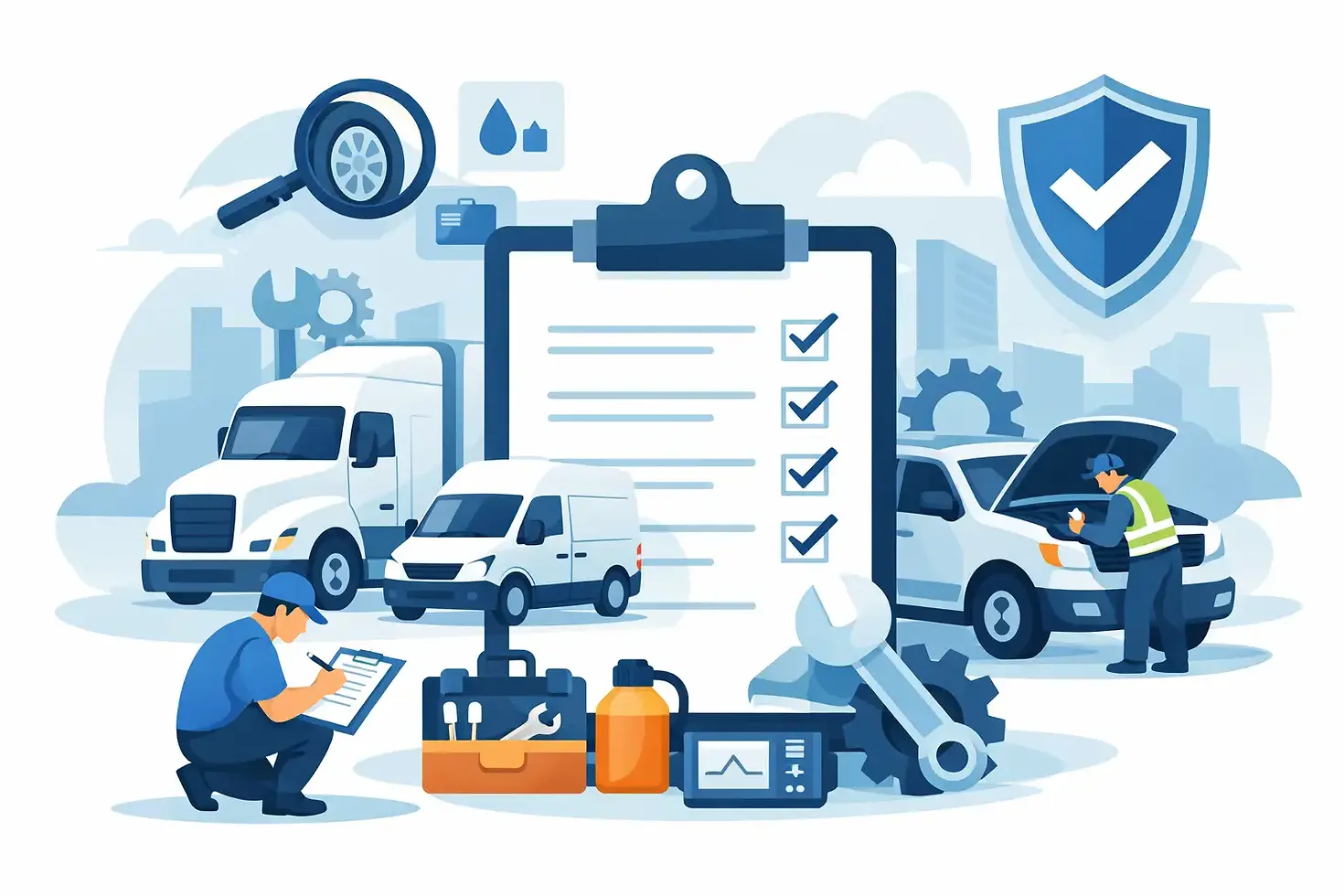
Fleet Preventive Maintenance Checklist

A missed PM rarely stays small for long. One truck comes in late on service, a tire issue gets overlooked, a brake problem starts dragging, and before the week is over you are dealing with downtime, missed deliveries, and repair costs that could have been planned. That is why a fleet preventive maintenance checklist matters. It gives fleet owners and managers a practical way to catch wear early, schedule service with less disruption, and keep working trucks available when the job needs to move.
For most commercial fleets, preventive maintenance is not just about protecting equipment. It is about protecting uptime. A truck that is down unexpectedly affects routing, labor, customer commitments, and cash flow all at once. The right checklist creates consistency across vehicles, drivers, and service intervals so maintenance does not depend on memory or whoever happens to notice a problem first.
What a fleet preventive maintenance checklist should actually do
A good checklist is not a stack of boxes that gets signed and forgotten. It should help your team answer three basic questions every time a truck is inspected or serviced: what is wearing, what is unsafe, and what is likely to fail before the next interval.
That sounds simple, but the details matter. A local delivery truck with heavy stop-and-go driving will not wear the same way as a highway unit running longer routes. A diesel work truck pulling equipment through Mobile County heat and Gulf Coast humidity may need closer attention to cooling, tires, and filtration than a similar unit operating in milder conditions. The checklist needs to reflect real operating conditions, not just a generic service sheet.
It also needs to be repeatable. If different technicians or drivers check the same truck and get different results, the process is too loose. The best preventive maintenance programs use a checklist that is detailed enough to catch issues but practical enough that people will use it every time.
Core items in a fleet preventive maintenance checklist
Every fleet has its own service schedule, but most checklists should cover the same major systems. The goal is to monitor condition, confirm safe operation, and identify repairs before they become roadside failures.
Fluids and leak inspection
Start with engine oil, coolant, transmission fluid, power steering fluid, brake fluid where applicable, and diesel exhaust fluid. Fluid condition tells you a lot about what is happening inside a vehicle. Low levels may point to leaks. Discolored or contaminated fluids can suggest overheating, internal wear, or overdue service.
Leaks should never be treated as minor just because the truck is still moving. Oil, coolant, fuel, and air system leaks all have a way of becoming more expensive when ignored. During PM service, technicians should look under the vehicle, around hose connections, near seals, and around the engine and aftertreatment components.
Tires, wheels, and alignment
Tires are one of the clearest examples of how a small issue turns into a large one. Uneven wear may signal inflation problems, alignment issues, suspension wear, or overloading. A preventive maintenance checklist should include tread depth, visible sidewall damage, air pressure, wheel condition, and lug nut inspection.
For fleets trying to control operating costs, tire condition deserves close attention. Poor tire maintenance affects fuel economy, handling, and roadside reliability. It also shortens replacement cycles. If one truck is consistently wearing tires faster than the rest of the fleet, the checklist should help identify why.
Brakes and air system components
Brake service is too important to leave to symptoms alone. By the time a driver notices reduced braking performance, there may already be significant wear. A proper PM checklist should include brake pad or shoe condition, drum or rotor wear, chambers, slack adjusters where applicable, hoses, lines, and air pressure performance.
Air leaks, slow pressure build, or moisture concerns in the system can lead to bigger safety and compliance problems. This is one area where routine inspection pays for itself quickly.
Suspension and steering
Front-end issues often show up first as driver complaints about pull, vibration, or poor handling. A checklist should include shocks, bushings, springs, U-bolts, steering linkage, kingpins, tie rods, wheel seals, and general front-end play.
This is also where PM supports tire life and driver confidence. A truck with worn suspension components may still be running routes, but it is usually wearing other parts harder at the same time.
Battery, charging, and electrical checks
Electrical failures create a lot of avoidable downtime. Battery condition, cable connections, charging output, starter performance, lights, wiring, and fault codes should all be part of a regular preventive maintenance process.
For fleets running early mornings, variable routes, or equipment that sits between jobs, battery health matters even more. A truck that will not start on schedule is not just an inconvenience. It can throw off the entire day.
Engine, belts, hoses, and filters
Belts and hoses are basic items, but they are often the kind of parts that fail at the worst time. Your checklist should include visible wear, cracking, swelling, looseness, and signs of heat damage. Air filters, fuel filters, and other service filters should be checked and replaced based on interval and condition.
Diesel engines also benefit from paying attention to performance trends, not just parts replacement. Hard starts, excessive smoke, poor fuel economy, or repeated regen concerns should be documented during PM visits instead of waiting for a larger engine or DPF issue.
Lights, safety equipment, and cab condition
A working truck still needs to be road-ready. Exterior lights, reflectors, wipers, horn, mirrors, backup alarms where applicable, and driver visibility items should all be checked. Inside the cab, warning lights, gauges, seat belts, and HVAC function matter more than many fleets realize. Small cab issues can turn into safety concerns or driver complaints that affect retention and productivity.
How often should the checklist be used?
That depends on the truck, the load, and the duty cycle. There is no single interval that fits every fleet. Some vehicles need a more aggressive schedule because they idle heavily, make frequent stops, carry heavier loads, or operate in harsh conditions. Others can follow a more standard mileage-based or hour-based interval.
The mistake many fleets make is relying on mileage alone. Engine hours, idle time, route density, and seasonal demands all affect maintenance needs. A service truck working hard in Gulf Coast heat may need attention sooner than the odometer suggests. The better approach is to build your checklist into a maintenance schedule that reflects how each vehicle actually works.
Why checklists fail in real fleet operations
Most fleets do not struggle because they lack a checklist. They struggle because the checklist is disconnected from scheduling, accountability, or follow-up.
One common problem is inconsistency in inspections. Drivers may report issues differently. Service records may be incomplete. Technicians may note concerns that never get approved or scheduled. Another issue is treating PM as a basic oil change instead of a full condition review. That saves time in the short term, but it usually creates more downtime later.
The strongest fleets make preventive maintenance part of operations, not a separate task. They track recurring issues, flag patterns by unit, and act on inspection findings before trucks become emergencies.
Building a checklist that fits your fleet
If you manage a small or mid-sized fleet, the best checklist is usually the one your service partner can apply consistently across every unit. It should reflect manufacturer guidance, but it also needs room for fleet-specific wear patterns, known problem areas, and operating realities.
That is where experience matters. A shop that understands commercial trucks and fleet pressure can help adjust service intervals, prioritize repairs, and separate urgent issues from items that can be planned. Ideal Truck Service works with fleets that need that kind of practical support, especially owners who want organized maintenance without adding enterprise-level complexity to their day.
A checklist should also create a record you can use. When trucks come in for service, you should be able to see what was checked, what needs attention, and what was deferred. That makes budgeting easier and helps reduce the cycle of surprise repairs.
The real value of a fleet preventive maintenance checklist
The checklist itself is not the goal. The goal is fewer breakdowns, safer trucks, better scheduling, and more control over maintenance costs. When preventive maintenance is handled well, trucks spend more time on the road and less time waiting on major repairs that could have been avoided.
That does not mean every failure can be prevented. Parts wear out. Electrical problems happen. Road conditions and workload change. But a dependable checklist shifts the odds in your favor. It helps you catch the issues that give warnings before they become expensive interruptions.
If your fleet maintenance process still depends on memory, rushed walkarounds, or reacting when a truck goes down, that is usually the sign to tighten the system. A solid checklist will not remove every maintenance challenge, but it will give your fleet a better chance to stay ahead of them, and that is where uptime starts.


Comments