
Who’s Responsible for Pre-Trip Inspections and DVIRs? Understanding Legal Requirements for Truck Fleets
What Are Pre-Trip Inspections and DVIRs?
Pre-trip inspections are systematic safety checks that must be performed by commercial drivers before hitting the road. These inspections are the foundation of fleet safety in the U.S. and are governed by strict guidelines from the Federal Motor Carrier Safety Administration (FMCSA).
DVIR stands for Driver Vehicle Inspection Report. It’s an official written record—mandated in many circumstances—of issues found during these inspections, and it’s the backbone of compliance for safe fleet operations. Understanding who is responsible for each part of this process is crucial for both drivers and fleet managers.

Legal Foundation: FMCSA’s Take
The FMCSA sets the regulatory blueprint for commercial vehicle safety in the U.S. These regulations spell out exactly who does what, when, and how—no gray areas. Let’s break it down:
Driver Responsibilities: The Front Line
1. Performing Pre-Trip Inspections
Drivers are the first—and often only—line of defense when it comes to catching potential problems before a vehicle leaves the yard. The law is crystal clear: Every commercial driver must perform a pre-trip inspection before operating the vehicle. This includes checking:
Brakes
Tires and wheels
Lights and reflectors
Steering mechanisms
Emergency equipment
Coupling devices
Fluid levels
If something’s not right, the driver must spot it.
2. Documenting Defects: The DVIR
The classic “pencil-whip” is no longer allowed. If a driver finds a defect that may affect the safe operation of the vehicle or cause a breakdown, the FMCSA requires that the driver:
Documents the defect in a DVIR
Notifies the carrier or fleet manager immediately
Recent FMCSA updates mean drivers only need to submit a DVIR if they find a defect. If the truck is A-OK, they can skip the paperwork.
3. Logging the Inspection
At least one daily inspection must be accounted for in a driver’s Hours of Service (HOS) record. This ensures inspectors or safety auditors can quickly confirm compliance during reviews.
Motor Carrier & Fleet Manager Responsibilities
The regulatory burden doesn’t stop with the driver—far from it. Motor carriers and their responsible agents (fleet managers, maintenance supervisors) also have critical legal responsibilities.
1. Fixing the Problem—Not Just Filing Paperwork
Before any vehicle with a reported defect can return to the road, the carrier must:
Ensure repairs are completed and defects rectified
Certify on the DVIR that repairs are finished or immediate repair is unnecessary
Never send a driver out in a vehicle with an unresolved, safety-critical defect
It’s not just about checking a box—it’s about putting safe vehicles on the road.
2. Retaining Inspection Records
Recordkeeping is the law. Motor carriers must keep:
Every DVIR where a defect is found and reported
Maintenance and repair certifications
Archived inspection reports for a minimum of three months
Records must be easily retrievable and available for FMCSA audits, internal reviews, and insurance purposes.
3. Ongoing Oversight
It’s up to motor carriers and fleet managers to set expectations, train staff, and follow up on compliance. This includes developing internal policies, using fleet management software, and performing periodic spot-checks.

What If You Don’t Comply? (Spoiler: It Gets Pricey)
Ignoring DVIR regulations isn’t just risky—it’s expensive.
Fines: Noncompliance can trigger penalties ranging from $1,000 to $15,000 per violation.
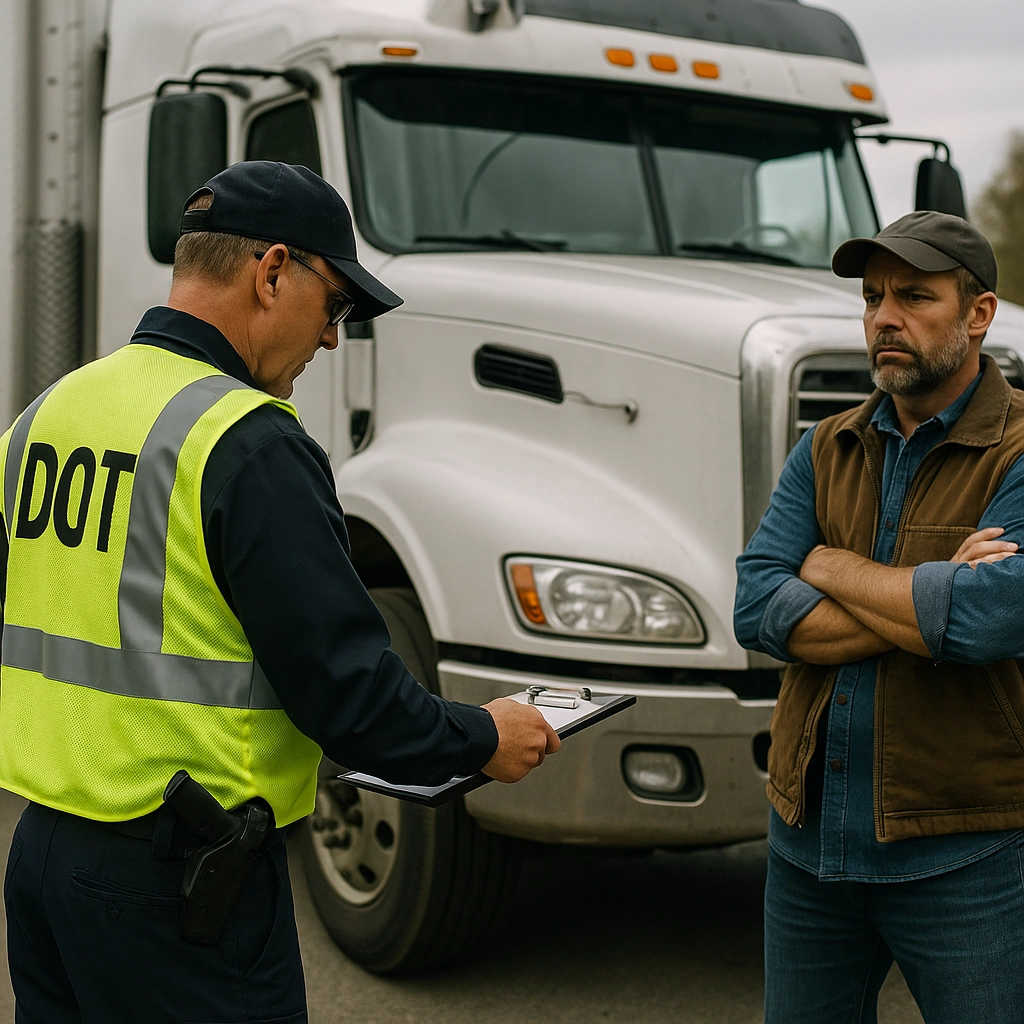
Out-of-Service Orders: Vehicles with unresolved safety defects can be taken off the road immediately by DOT inspectors, causing major disruptions.
CSA Scores: Skipping inspections can tank your Compliance, Safety, Accountability (CSA) scores, leading to more audits and higher insurance costs.
Litigation: If a crash occurs and your records don’t show proper inspection and repair, you’re wide open to liability.
When Are Inspections Required? Beyond the Basics
It’s not just a one-and-done at the start of a trip. Federal and state regulations often require:
Pre-Trip: Before a driver operates a vehicle for the first time that day
Post-Trip: At the end of a driver’s shift or after completing a haul
Trailer Swaps: Any time a driver drops one trailer and hooks another
Load Changes: For flatbeds and certain loads, inspections must be done during loading, unloading, fueling stops, and after every change of duty status
DVIR: A Shared Responsibility—In Action
Let’s put it together:
Drivers must:
Inspect before operation
Report anything that could be a safety or mechanical risk
Fill out a DVIR if a defect is found
Carriers and fleet managers must:
Ensure all reported defects are repaired or addressed
Certify repairs on the DVIR before returning the vehicle to service
Keep those records organized and accessible for at least three months!
Best Practices for Fleets
Want to nail compliance and stay safe on the road? Try these:
Train, Train, Train: All drivers (experienced or not) should be familiar with the latest inspection checklists and DVIR procedures.
Go Digital: Consider fleet management software to streamline inspections, reporting, and recordkeeping.
Insist on Accountability: Set up random audits or spot-checks to catch issues before they snowball.
Link with Maintenance: Make sure your maintenance team is looped in on DVIR-related work orders.
Communicate: Frequent reminders and clear policy documents help reduce “forgotten” responsibilities.
Frequently Asked Questions
Who actually fills out the DVIR?
The driver who conducts the pre-trip inspection fills out the DVIR if a defect (affecting safety or likely to become a problem) is found.
Can a truck hit the road if the defect isn’t “that bad”?
No. Any defect that could affect safe operation must be fixed or certified for deferred repair (if noncritical) before the truck runs.
Who’s on the hook if something goes wrong—driver or carrier?
Both can be held liable. Drivers for failing to inspect or report, carriers for failing to fix or document repairs.
Do these rules apply to small fleets?
Yes. These FMCSA rules apply to all interstate commercial carriers—no matter the fleet size.
Compliance Made Simple with Ideal Truck Service
Staying on top of pre-trip inspections and DVIRs isn’t optional—it’s essential. Every day, Ideal Truck Service & Fleet Maintenance works with trucking companies across the region to keep fleets compliant and road-ready.
Want an easier way to organize inspections, automate recordkeeping, or keep maintenance and compliance in sync? Check out our fleet compliance and maintenance solutions.
Or, if you have questions about getting your DVIR process in order, reach out to us at Ideal Truck Service & Fleet Maintenance for real-world advice and support.


Comments