
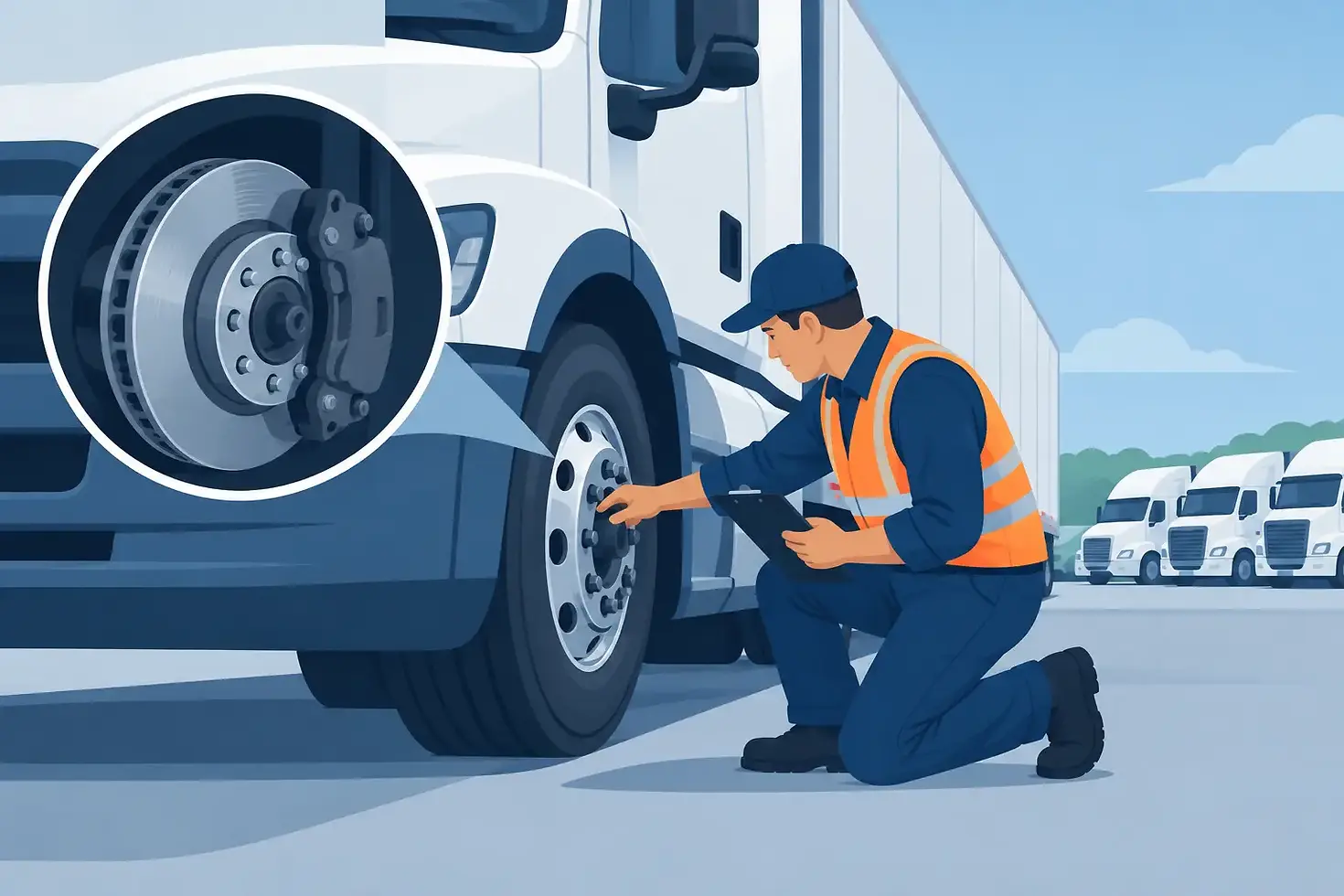
Best Truck Brake Inspection Practices for Fleets

A truck can leave the yard with a full load, a tight delivery window, and a brake issue that has been quietly developing for weeks. That is why the best truck brake inspection practices are not limited to a quick look during annual service. They combine disciplined driver checks, documented preventive maintenance, and prompt attention from qualified technicians when something changes.
For a working fleet, brake inspections protect more than the vehicle. They protect drivers, cargo, customers, schedules, and the reputation your business has built one delivery at a time. A planned inspection process also costs less than dealing with an out-of-service order, roadside repair, or collision tied to a preventable brake failure.
Best Truck Brake Inspection Practices Start Before the Route
The driver is often the first person who can identify a developing brake problem. A pre-trip inspection should include more than checking that the truck stops. Drivers should look for visible air leaks, damaged hoses, loose fittings, worn tires that may affect braking performance, and any warning lights on the dash.
They should also listen. Air brake leaks, unusual compressor cycling, grinding, squealing, or a change in brake feel are all reasons to slow down and investigate. A truck that pulls to one side under braking, takes longer to stop, or has a soft or inconsistent pedal should not be treated as a truck that can finish one more shift before service.
A useful driver inspection process includes checking:
Air pressure build-up and low-pressure warning operation
Brake chamber pushrod travel where applicable and safe to inspect
Air hoses, lines, fittings, and chambers for leaks or damage
Brake drums, rotors, wheels, and tires for visible heat damage or contamination
Parking brake holding power and service brake response at low speed
Dashboard warnings, ABS indicators, and changes in normal brake operation
Drivers do not need to diagnose the repair. Their job is to recognize changes, document them clearly, and communicate them before a minor condition becomes a road call.
Inspect Friction Components for More Than Wear
Brake pads, shoes, drums, and rotors wear over time, but thickness alone does not tell the whole story. A brake lining can appear to have usable material left while contamination, cracking, glazing, uneven contact, or heat damage has already reduced its effectiveness.
During scheduled maintenance, technicians should inspect friction material for cracks, loose sections, oil or grease contamination, and uneven wear. Uneven wear may point to a seized caliper, faulty adjuster, damaged hardware, worn bushings, or another issue further up the system. Replacing pads or shoes without addressing the cause can send the same truck back into the shop far sooner than expected.
Drums and rotors deserve the same attention. Heat checking, scoring, cracks, out-of-round conditions, and excessive wear can affect stopping performance and shorten the life of replacement parts. Heavy Gulf Coast humidity and frequent stop-and-go work can make corrosion and heat-related issues especially worth watching, particularly for trucks that sit between jobs.
Check Air Brake System Health at Every Service Interval
Air brakes depend on a system of components working together under pressure. A small leak, a slow-building compressor, or a failing valve may not immediately put a truck out of service, but it can become a safety and uptime problem quickly.
A thorough shop inspection should evaluate the compressor, governor operation, air dryer condition, reservoirs, valves, chambers, hoses, and connections. Water and oil contamination in the air system can damage components and contribute to corrosion. Draining tanks as required and servicing the air dryer on the appropriate schedule are practical steps that help protect the full system.
Technicians should also inspect slack adjusters, clevises, pins, bushings, and mounting hardware. Excessive movement in these components can create improper brake adjustment and uneven braking across axles. On trucks with automatic slack adjusters, repeated manual adjustment is not a long-term fix. If the adjuster is continually falling out of range, the underlying cause needs to be identified and repaired.
Treat ABS Warnings as a Maintenance Issue, Not a Convenience Issue
An ABS warning light does not always mean the truck has lost normal foundation braking. It does mean the anti-lock system has detected a fault and may not perform as intended during a hard-braking event. That distinction matters, but it should not lead to delays in diagnosis.
Common ABS concerns can include damaged wheel speed sensors, corroded connectors, damaged wiring, sensor tone ring issues, or module faults. Road debris, moisture, vibration, and wheel-end repairs can all affect these components. A proper diagnostic process confirms the fault code, checks the related wiring and sensor condition, and verifies the repair rather than simply clearing the warning.
For fleet managers, recurring ABS alerts are worth tracking by unit. A pattern can reveal a wiring route that is rubbing through, a wheel-end issue on a particular axle, or a maintenance interval that needs adjustment.
Use Maintenance Records to Catch Repeat Problems
Brake inspections work best when the findings are recorded in a way that helps the next person make a better decision. A work order that only says “brake repair” provides very little value later. A useful record identifies the axle, the component replaced, measured wear, the reason for failure, related repairs, and any follow-up recommendation.
This history helps fleets plan brake work before it becomes urgent. If a vehicle repeatedly needs repairs on one wheel end, it may be carrying uneven loads, operating on rough job sites, experiencing alignment problems, or dealing with a component quality issue. The answer is not always to replace parts more often. Sometimes the inspection record exposes an operational problem that needs to be corrected.
Mileage alone should not set every brake service decision. A local delivery truck in stop-and-go traffic may wear brakes much faster than a highway tractor covering more miles with fewer brake applications. Load weight, terrain, driver habits, idle time, and trailer use all influence the right service interval.
Build a Clear Defect Reporting Process
Brake concerns get expensive when drivers are unsure who to tell, dispatch feels pressure to keep a load moving, or defects disappear into handwritten notes. Fleet leadership should establish a simple reporting path that makes safety concerns easy to raise and hard to overlook.
Drivers need to know what symptoms require immediate attention, what information to provide, and whether the vehicle can be safely moved. Dispatch and maintenance teams need a shared understanding that a reported brake concern is not an inconvenience. It is information that helps prevent lost time later.
The most effective process is practical: drivers report the concern, maintenance reviews it promptly, the vehicle is inspected at the right level of urgency, and the repair outcome is documented. This approach supports compliance, but more importantly, it keeps preventable problems from disrupting the workday.
Partner With Technicians Who Understand Fleet Uptime
Not every brake issue requires the same response. A worn component found during planned service can often be scheduled around the truck’s workload. An air leak, damaged chamber, severe pull, or braking concern reported by a driver may require immediate evaluation. Knowing the difference protects both safety and productivity.
A fleet maintenance partner should help make those decisions with clear findings and practical repair recommendations. At Ideal Truck Service, the focus is on identifying brake concerns early, completing quality repairs, and helping commercial trucks return to dependable service without unnecessary downtime.
Brake inspections are most valuable when they become part of how your fleet operates, not another task squeezed in after a breakdown. When drivers report changes early and technicians have the time to inspect the entire system, your trucks are better prepared for the miles and work ahead.



Comments