

How to Prepare Trucks for Hurricane Season

A truck parked in the wrong place before a Gulf Coast storm can become an out-of-service unit before the first route is dispatched. To prepare trucks for hurricane season, fleet owners need more than a last-minute fuel stop and a weather app. They need a workable plan for vehicle condition, driver communication, safe storage, and the days immediately after the storm.
For commercial operators, hurricane preparation is an uptime decision. A missed inspection, a weak battery, or water entering an air intake can turn a weather delay into an expensive repair and a longer interruption to customer service. The right preparation will not eliminate every risk, but it gives your fleet a better chance to come back online safely and quickly.
Prepare Trucks for Hurricane Season Before the Forecast Changes
The best time to prepare is well before a named storm enters the Gulf. Once forecasts tighten, repair shops, parts suppliers, fuel stations, and secure parking locations can all become difficult to access. Building hurricane readiness into preventive maintenance keeps decisions calm and practical when conditions change.
Start with the trucks that are most critical to revenue, emergency response, or customer commitments. Identify which units must remain available for evacuation support, post-storm deliveries, utility work, or recovery operations. Those trucks should receive priority inspections and be assigned to a driver or fleet contact who knows the plan.
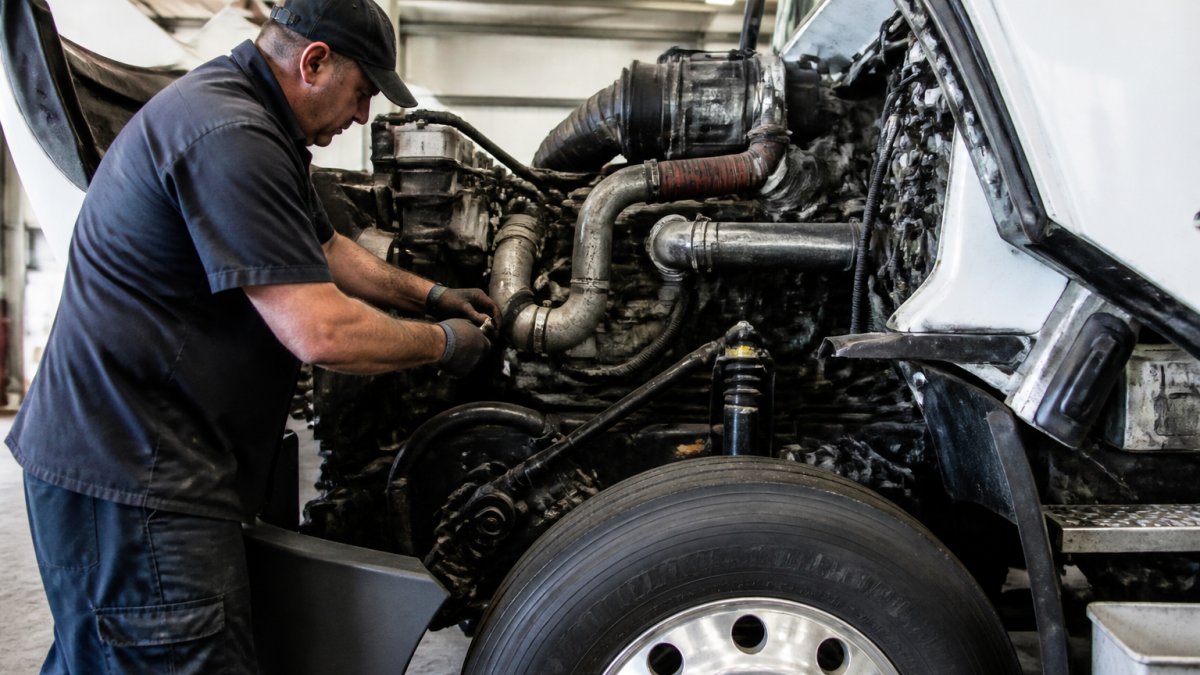
A pre-season inspection should focus on systems that can strand a truck or suffer damage during extended rain and wind. Check batteries and cable connections, charging performance, tires, brakes, wipers, lights, belts, hoses, fluid levels, and cooling-system condition. Inspect doors, windows, body seals, and windshield condition as well. A small leak that is manageable in normal rain can become a cab, electrical, or interior problem after hours of heavy rainfall.
For diesel equipment, inspect the air intake path and confirm that clamps, housings, and ductwork are secure. Water drawn into an engine can cause serious damage. Also look for exposed wiring, damaged connectors, or missing covers around electrical components. Fleet trucks that spend time near saltwater or work along the coast deserve extra attention because moisture and salt can speed up corrosion at connections and brake components.
Build a Storm-Ready Vehicle Checklist
Each truck should carry practical supplies, but the exact kit depends on how and where the unit operates. A local service truck may need a different setup than a long-haul tractor or a contractor's dump truck. Avoid turning the cab into a storage room. Keep only supplies drivers can safely access and secure everything so it cannot become a hazard during sudden stops or rough roads.
A useful hurricane-season checklist includes:
A current vehicle inspection report and maintenance contact information
A charged flashlight, spare batteries, reflective vest, and warning triangles
A basic first-aid kit, drinking water, and shelf-stable food for the driver
Tire pressure gauge, air hose fittings, fuses, and other approved spare items
Paper copies of insurance, registration, permits, and key customer contacts
Keep digital copies of important documents in a secure fleet system as well. If a truck or office is damaged, paper records alone may not be available when you need to document a claim, reroute work, or verify vehicle ownership.
Fuel planning deserves its own decision. Before a storm, fill the tanks of trucks that may need to operate during or after the event. Fuel availability can be limited after landfall, and stations may be closed by power outages or supply disruptions. At the same time, do not send drivers into worsening conditions simply to top off a tank. Set a trigger point in advance, such as fueling when a storm watch is issued or when a fleet supervisor directs it.
Choose Safe Parking and Secure the Equipment
Where trucks sit during a hurricane matters as much as their mechanical condition. Whenever possible, move units to higher ground outside known flood zones and away from trees, loose signs, utility poles, and unsecured materials. A low-lying yard that is convenient during normal operations may not be the right place when heavy rain and storm surge are possible.
Park trucks with enough space between them to reduce damage from shifting debris or a vehicle moving in high winds. Set parking brakes, chock wheels where appropriate, close windows completely, and remove loose cargo or equipment from beds, trailers, and racks. Secure toolboxes, liftgates, ladders, tarps, and trailer doors. A tarp, strap, or loose piece of equipment can cause damage well beyond the truck it came from.
Do not assume a covered structure is automatically safer. A building with an uncertain roof, a flood-prone entrance, or nearby large trees may create a different set of risks. Consider elevation, drainage, wind exposure, security, and access after the storm. For fleets in Mobile, Baldwin County, and other low-lying Gulf Coast areas, it is wise to have at least one alternate parking location identified before hurricane season begins.
Take dated photos of every truck before the storm. Capture all sides of the vehicle, tires, cab interior, equipment, odometer, and any existing damage. This takes little time and can make insurance documentation much easier if a claim is needed.
Give Drivers Clear Authority and Communication Rules
Drivers should never be left to guess whether they are expected to continue a route as weather deteriorates. Set clear authority levels for dispatch changes, route cancellations, fueling decisions, equipment relocation, and driver check-ins. A simple call tree or group message process is often more useful than a complicated emergency manual that no one can find during an outage.
Make it clear that no delivery deadline is worth driving into flooded roads, high winds, or areas under an evacuation order. Water depth is hard to judge, road surfaces can wash out, and even a truck with high ground clearance can lose traction or take water into critical components. Drivers should avoid standing water, downed power lines, damaged bridges, and routes with uncertain conditions.
Communication also needs a backup plan. Cell service may be overloaded, office phones may be unavailable, and dispatch software may be inaccessible if power is out. Confirm who will contact drivers, customers, repair partners, and fuel suppliers. Record multiple phone numbers for key contacts and tell drivers when to check in if normal communication is interrupted.
Inspect Every Truck Before Returning to Service
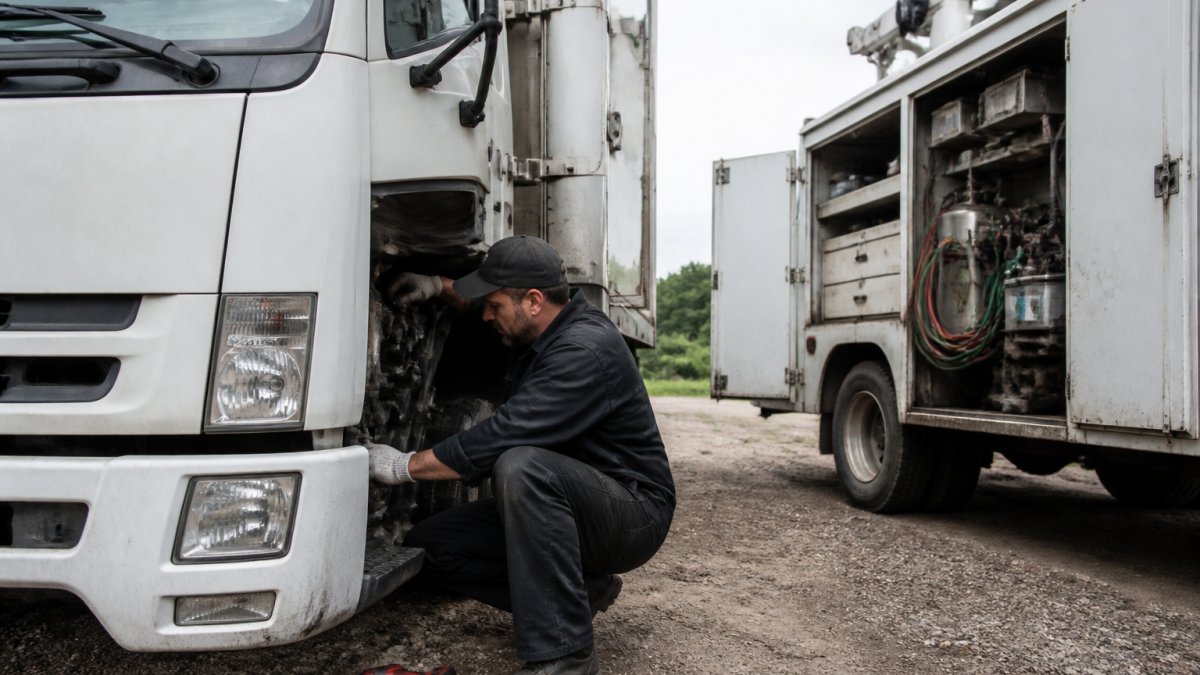
The post-storm inspection is where many fleets either protect their equipment or create a second problem. Do not put a truck back on the road just because it starts. Walk around the unit first and look for standing water, debris damage, tire cuts, loose body panels, broken lights, damaged mirrors, or leaks.
Open the hood and inspect for wet electrical connections, displaced hoses, contaminated fluids, and signs of water near the intake system. Check the cab and storage compartments for moisture. If a truck was exposed to floodwater, do not start it until a qualified technician has evaluated it. Starting an engine with water intrusion can greatly increase the scope and cost of repairs.
Brake systems deserve special attention after deep water exposure. Water, mud, and debris can affect brake performance and accelerate corrosion. Test lights, wipers, horn, HVAC functions, and trailer connections before dispatching the vehicle. If warning lights appear, fluid levels change, brakes feel abnormal, or the engine runs poorly, take the unit out of service and have it inspected.
Road conditions after a storm can be hard on equipment even when the truck itself was protected. Expect punctures from debris, overheated engines from extended idling or detours, and suspension damage from damaged roads. Schedule follow-up checks for vehicles that operated in recovery conditions, especially those working long hours or traveling through flooded areas.
Make Hurricane Readiness Part of Fleet Maintenance
Hurricane preparation works best when it is not treated as a once-a-year scramble. Add seasonal inspections, document storage, parking plans, and driver procedures to your regular fleet maintenance process. Review what worked after each storm or severe-weather event, then adjust the plan while the details are still fresh.
A dependable maintenance partner can help identify small issues before they become storm-related downtime. At Ideal Truck Service, the goal is to help working fleets make practical decisions that keep trucks safe, serviceable, and ready for the work ahead. When the forecast turns serious, a prepared truck gives your drivers and your business a steadier place to start.

Comments